WOMEN, DESIRE, AND THE STUDIES
What did studies of PT-141 for Women find?
PT-141 is approved for women not yet through menopause when low desire lasts and causes distress. Here are the gains, harms, and doubts.
Which women were in the studies?
Low desire can trouble you when it lasts and causes real distress. The approved use of PT-141 for women covers that problem before menopause. Doctors call it HSDD, but the 2019 approval doesn't cover women past menopause [3][7].
The best proof for PT-141 comes from two large trials in women. Each woman received the medicine or a placebo. A placebo looks like treatment but contains no medicine. A year-long follow-up came next [3][4]. The gain was modest, though the tests said chance was unlikely. Outside reviewers ask whether daily life would feel different enough [11]. Nausea was common [4].
The studies support one narrow use. You also need to keep the modest gain in view.
How much did women gain in the main studies?
The approval rested on two Phase 3 studies, the final large tests officials use when weighing a medicine. Both followed the same plan. The studies included 1,267 women whose lasting low desire troubled them [3]. None had reached menopause. When needed, they injected bremelanotide 1.75 mg beneath the skin. Over 24 weeks, desire rose a small amount, and distress also fell a little. The report listed P<.001 for desire and P<.001 for distress. That notation means chance was a very unlikely cause [3].
Next, 684 women stayed in a 52-week follow-up. Their small gains held, and no new harms appeared [4]. Nausea was common, while women also reported flushing and headache [4]. A 2026 review of several studies found gains in desire and arousal as well [12].
The benefit held for some women, but it remained small.
What did brain scans show?
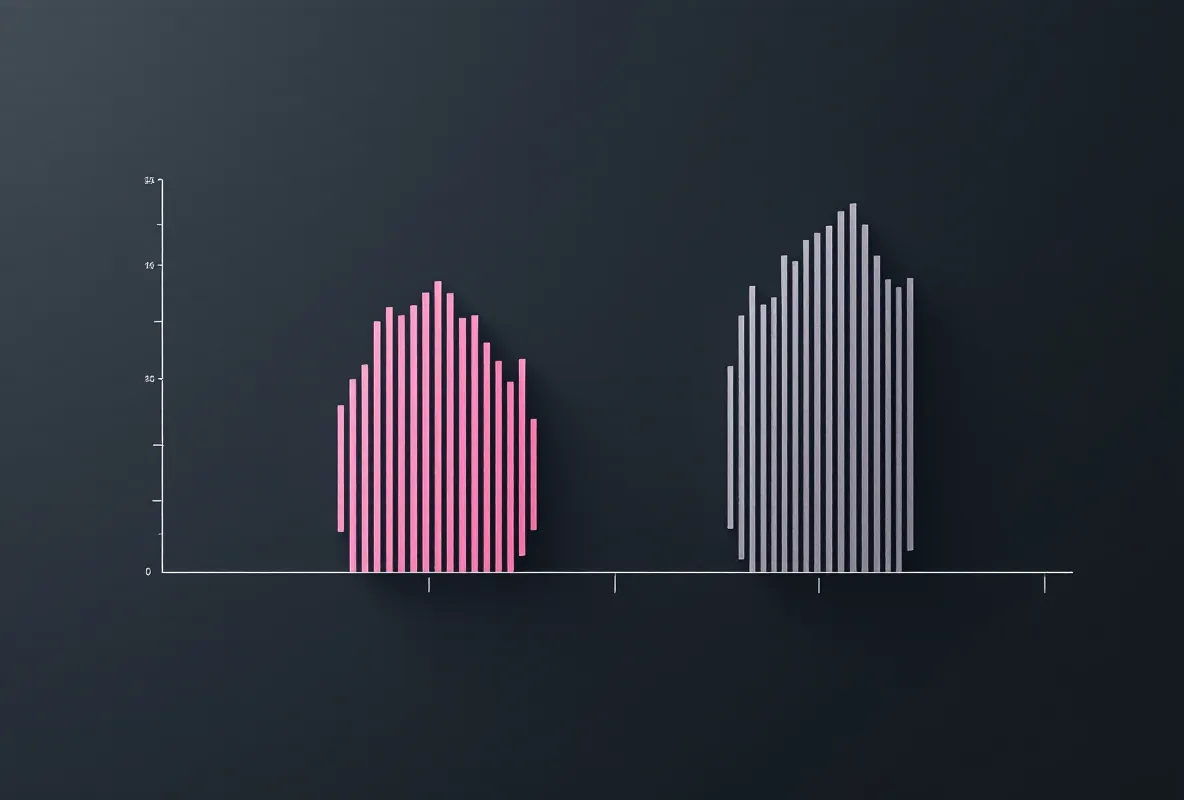
This short study had only 31 women, so start with that limit. Each woman had lasting low desire that troubled her. None had reached menopause. At separate visits, she received the medicine and a placebo, which had no drug. An MRI scan then showed which brain areas were more active [5].
Some women reported more desire through 24 hours. Their brain activity shifted in areas that deal with feeling, body sense, and movement [5]. The brain appears to be the starting place, rather than better blood flow [5].
Earlier work involved only female rats. The rats showed more mating acts linked with desire. Their usual movement and mating reflexes did not change [2]. A review of women's sexual response also listed this medicine among drugs that act in the brain [10].
The scan suggests where the drug starts its work, but the group was small.
Why do some reviewers still have doubts?
The gains with PT-141 for women were small. Outside reviewers agree that the study tests found a change. They still ask whether women would notice enough change in daily life [11]. One review found no added enjoyable sexual events on average. The reviewers also argued that approval of an earlier desire drug made this approval easier. That history isn't proof that the medicine helps [11].
Doctors don't all agree on when low desire becomes an illness. Some writers fear that normal changes in desire may be treated as a health problem [8]. That concern doesn't erase the study results, but it warns you not to read a small gain as a sure one.
The medicine is approved, though the size of its benefit remains in doubt.