THE AMOUNT ON THE DRUG LABEL
What does PT-141 Dosage Research in Women tell you?
See the amount printed on the label, what studies tested, and why those facts aren't personal directions.
Why do timing and frequency matter?
A medicine label gives a number without knowing your health. When you search for PT-141 dosage for women, that difference matters. The approved amount is 1.75 mg, injected beneath your skin. One dose is the limit in 24 hours. Eight doses are the limit for one month. The label lists the shot for at least 45 minutes before sexual activity [7].
That limit helps lower the chance of darkened skin. More use may also bring you more trouble with appetite and blood pressure [7]. The approval trials used the same 1.75 mg amount [3]. Earlier studies tested other amounts first.
These are label facts. They aren't directions for your care.
What PT-141 dosage for women appears on the label?
The label lists 1.75 mg for certain women not yet through menopause. Their low desire must last and cause distress. When needed, the medicine goes beneath your skin as a shot. The label lists at least 45 minutes before sexual activity. One dose is the limit over 24 hours, and a month stops at eight doses [7]. Both main studies used that amount [3].
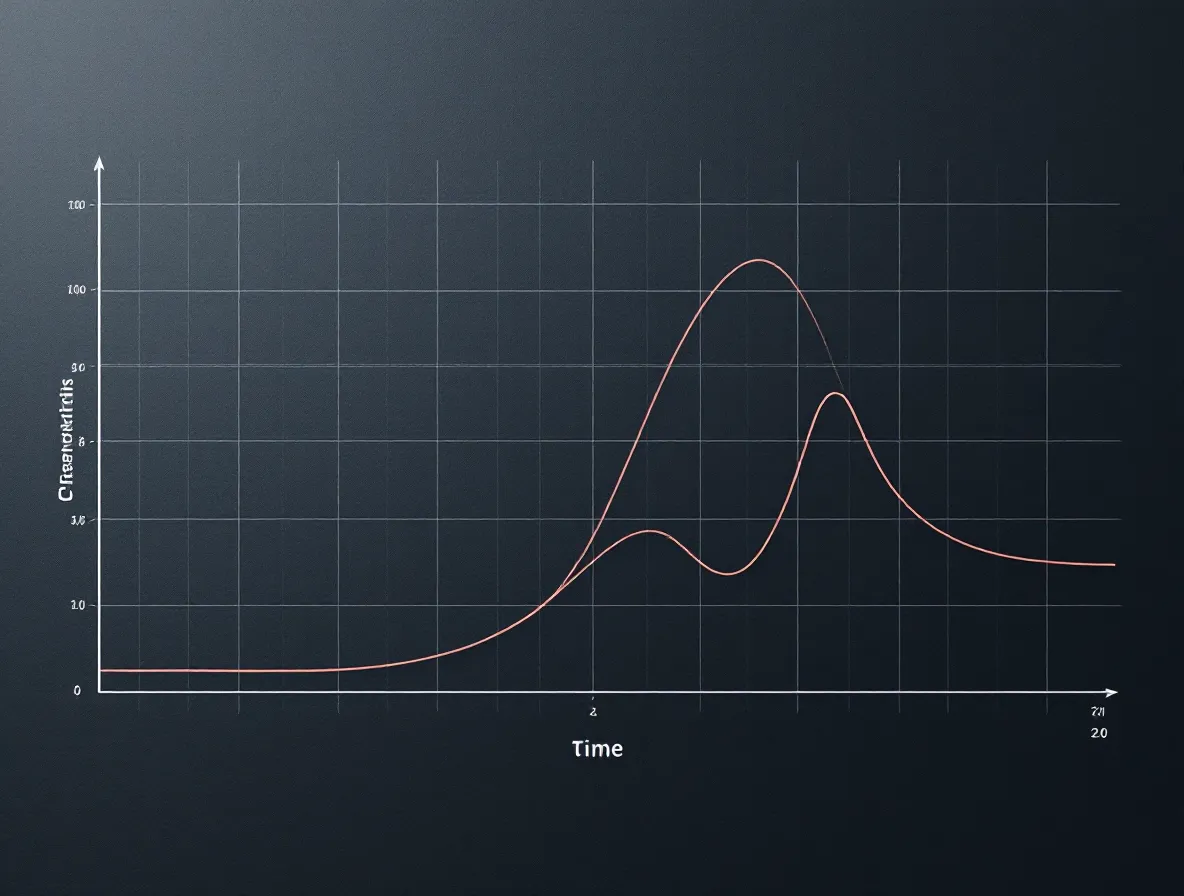
Your blood holds the most drug within about an hour. After about 2.7 hours, half has left your blood [7]. A label estimate says the small dose spreads through about 25 liters of body fluid. That figure tells how widely medicine enters tissue, not how much was injected. Your body then breaks it down. About 65% leaves in urine, while 23% leaves in stool [7].
These facts describe the drug in a body, but they don't choose care for you.
How did the studies settle on that amount?
The 1.75 mg amount came after smaller Phase 2 studies, an early step that compares possible amounts. Women tested shots of 0.75, 1.25, and 1.75 mg. Researchers then chose the largest amount for the Phase 3 approval studies [7]. Those later tests involved more women. The two main studies used 1.75 mg, and their results supported approval [3].
A separate Phase 1 safety study asked about appetite and weight, not sexual desire. Women received up to 2.5 mg. Some got the drug up to three times a day for 15 days [7]. That much use was never approved for desire or weight. It helps explain why the label limits how often the drug is used.
These tests only tell what researchers tried. A prescriber still needs to choose for you.
Why must a prescriber know your health?
A number can't check your blood pressure or heart health. PT-141 isn't for you if your blood pressure stays too high. Heart disease, or disease in nearby blood vessels, rules it out too. The medicine may raise your blood pressure for a little while [7]. A prescriber checks those risks first.
A vial sold as "PT-141 research chemical" brings another problem. You can't know whether its name, strength, or contents are right [7].
This page reports label and study amounts. It can't pick an amount for you. You can see how your body handles the medicine on PT-141 dosage.