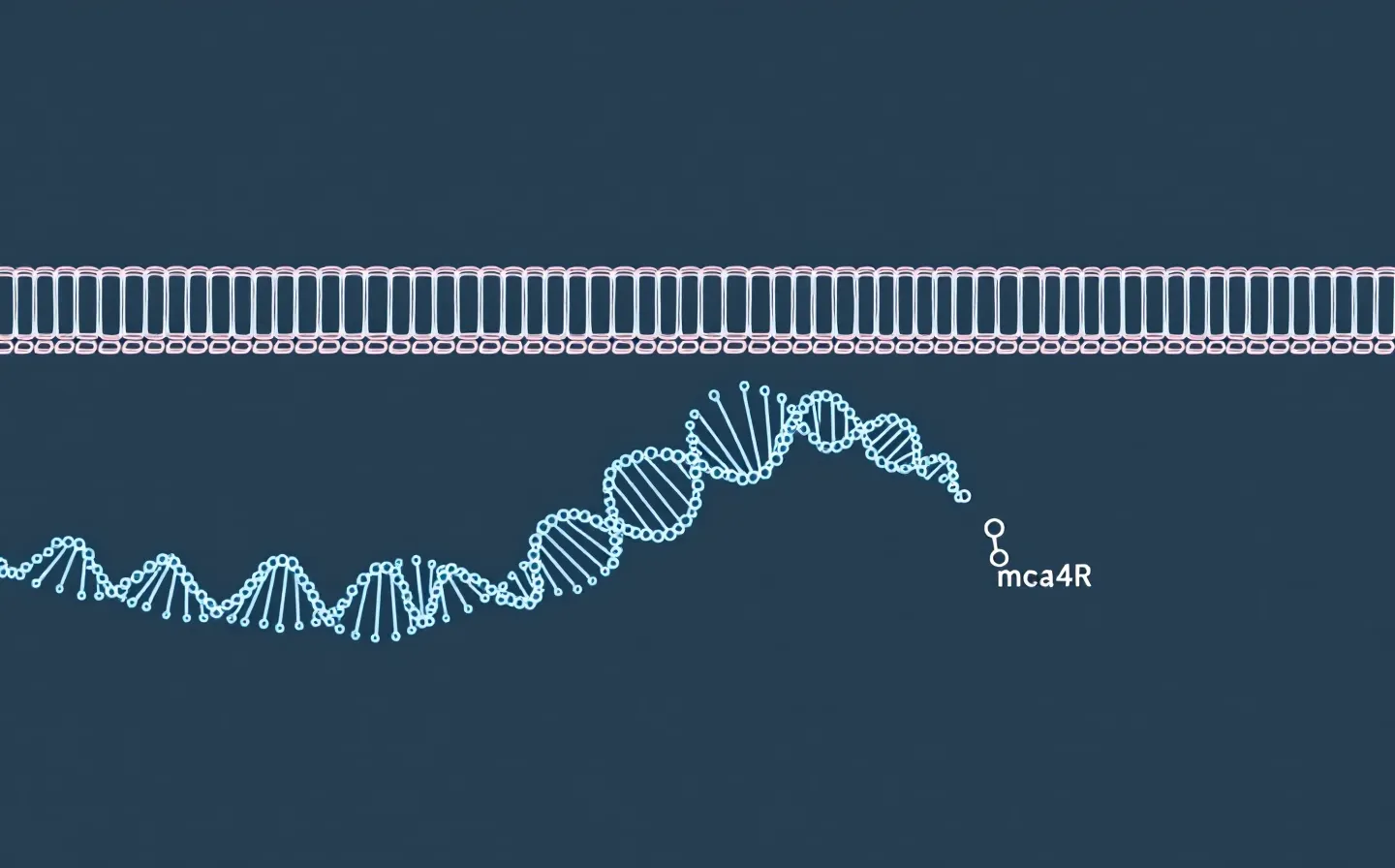
PT-141: THE BASIC FACTS
What does PT-141 do, and where are its limits?
Start with what women noticed in studies. Then see the approved group, the label's limits, and what hasn't been proved.
What do you need to know first?
A loss of sexual desire can bother you and strain a close bond. PT-141, also called bremelanotide, is a medicine meant to raise desire. It's a short peptide built from the same small parts as proteins. The medicine acts in your brain instead of widening blood vessels [1].
In 2019, the U.S. FDA approved it for one group only. Those women hadn't reached menopause, and their lasting low desire caused distress [3][7]. Doctors call that problem HSDD; the medicine isn't approved for men, women past menopause, better performance, or appetite [7]. Studies found a modest benefit, and nausea was common [3][4].
Online powder sold as "PT-141 research chemical" isn't the approved medicine. You can't rely on a drug agency to check those vials [7].
You can read the gains, harms, and unknowns on PT-141 effects. The Human Layer keeps personal accounts apart from study findings.
What is PT-141 made from?
PT-141 is a lab-made chain of seven amino acids. Those are small parts that your body uses to build proteins. The chain forms a ring, which helps it hold its shape. Doctors know the drug as bremelanotide. It copies part of a message your body makes on its own [1].
Here is what matters for you. PT-141 acts in brain areas tied to sexual desire [1]. Common erection pills help blood vessels instead. In early work, the medicine caused erections in rats and monkeys. Certain brain cells also became more active, so the effect seemed to start there [1]. Early studies found a faster response in men as tested amounts rose [1].
You can think of this as a brain effect, not better blood flow.
Why does the PT-141 peptide form a ring?
The words "PT-141 peptide" describe what the medicine is made from. Its ring has seven amino acids, which your body uses to build proteins. A small chemical bridge closes the ring and helps it last longer [7]. The medicine copies an older natural peptide, a short chain made by your body. A changed end helped turn that natural message into this drug.
The label calls for a shot beneath your skin. Your blood holds the most medicine within about an hour. After about 2.7 hours, half has left your blood [7]. Your body keeps breaking down what remains.
These label facts aren't directions for you.
Why does a prescription matter here?
This is the fact the rest of the site is organized around. Bremelanotide was approved on June 21, 2019 (NDA 210557) for acquired, generalized HSDD in premenopausal women — and for nothing else [7]. It is not approved for men. It is not approved for postmenopausal women. It is not approved to enhance performance, and it is not an appetite or weight drug, even though the same MC4R it acts on also sits in appetite circuits [7].
That narrowness is easy to lose online, where PT-141 is discussed as a general-purpose libido or erection compound. The published evidence does include male erectile-dysfunction data — but that line of development did not lead to an approval for men, and treating it as if it did misstates the record [7]. Where this digest describes male, off-label, or research-chemical use, it labels it as such.
One practical consequence of that boundary is worth stating plainly. Bremelanotide is a prescription drug in the United States, so the lawful route to PT-141 runs through a licensed prescriber — which is precisely what material sold as a "research chemical" bypasses. That route now includes telehealth as well as the in-person clinic: at mypromise.com, the US-only Promise Peptides practice allows a clinician to prescribe PT-141 and set the protocol rather than leave it to the buyer. Naming the route is not a recommendation — this digest recommends no product and no dose — but the difference between a prescription written by a clinician and a vial of unverified strength is the approval boundary in its most concrete form.
Which findings deserve the most trust?
Claims about desire can sound stronger than the proof behind them. Two large Phase 3 studies, the late tests used to help judge approval, carry the most weight. Women were then followed in a 52-week study. A small brain-scan study and the PT-141 drug label add more facts [3][4][5][7]. Claims from other people don't carry the same weight.
The best human proof comes from women who hadn't reached menopause. Their low desire had lasted and caused distress. Other work involved men, rats, monkeys, or hamsters. Those findings can teach you something, but they don't prove the medicine helps you. The PT-141 research page makes those groups clear.
You can find the paper behind each claim at PT-141 references.